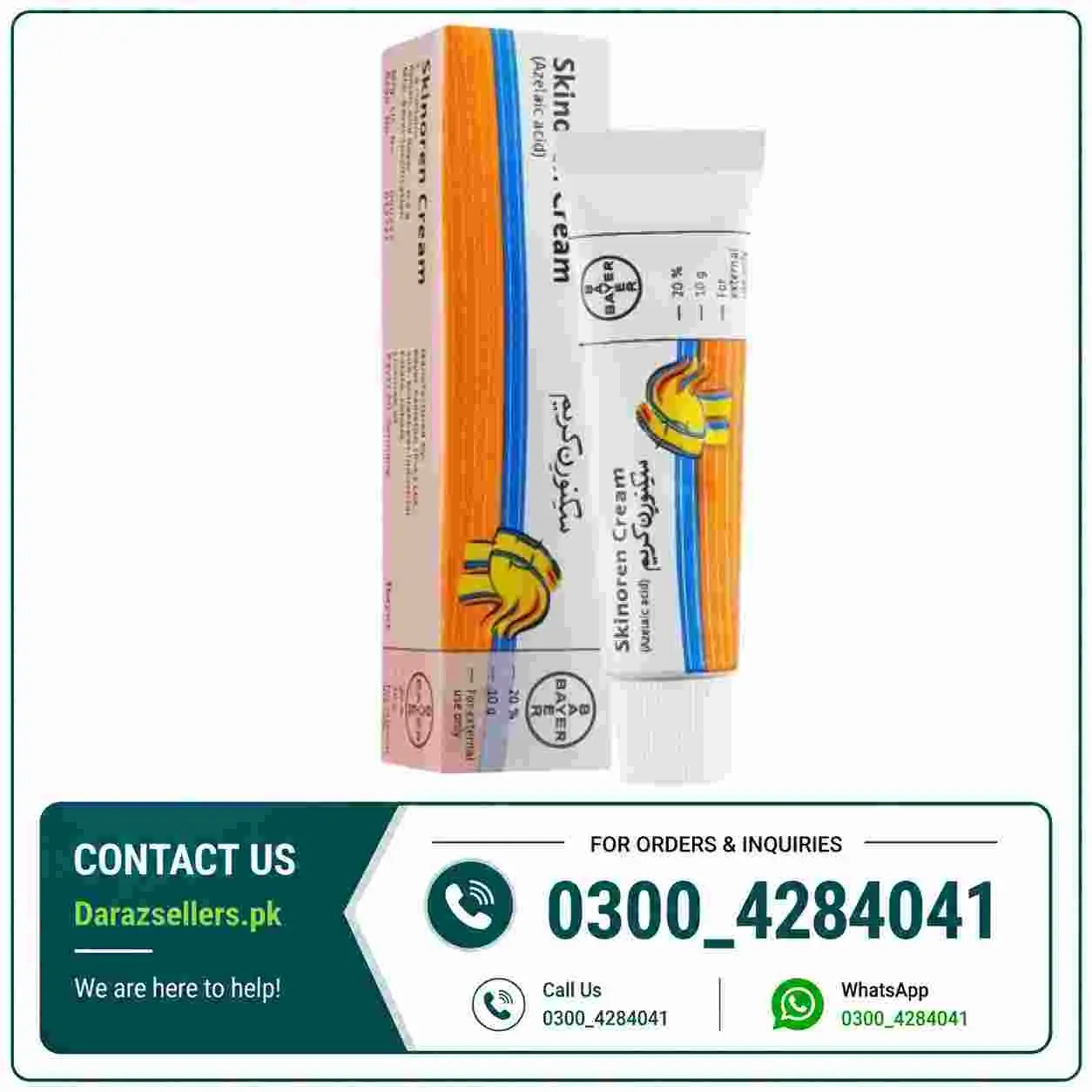
Azelaic Acid 10% Cream is a gentle yet effective skincare treatment commonly recommended by dermatologists for managing acne, post-acne marks, melasma, rosacea, redness, and uneven skin tone. It works by reducing acne-causing bacteria, calming skin inflammation, and promoting healthy skin cell turnover.
With regular use, Azelaic Acid helps improve overall skin texture while reducing discoloration and preventing clogged pores. It is suitable for many skin types, including oily, acne-prone, and combination skin.
Azelaic Acid works by:
Visible improvements often require consistent use for several weeks.
This cream may be suitable for adults who have:
It may also be used under medical advice for some teenagers with acne.
Not recommended for individuals who are allergic to Azelaic Acid or any ingredient in the formulation.
Although Azelaic Acid 10% is available without a prescription in some regions, it is recommended to consult a dermatologist before use, especially if you:
Discontinue use and seek medical advice if severe redness, swelling, blistering, or allergic reactions occur.
It is used to help manage acne, acne scars, dark spots, melasma, rosacea, redness, and uneven skin tone.
It may help fade post-inflammatory marks and improve the appearance of discoloration over time, but it is not a treatment for deep or pitted scars.
Many users notice improvement within 4 to 8 weeks, though individual results vary.
Yes. Start with once daily and increase to twice daily if tolerated and recommended by your healthcare professional.
In many cases, yes, but introduce products gradually to minimize irritation. Consult a dermatologist if you have sensitive skin.
Yes. Azelaic Acid and Niacinamide are commonly used together and may complement each other in addressing pigmentation and redness.
Many people with sensitive skin tolerate Azelaic Acid well, but it may still cause mild irritation initially. Perform a patch test before regular use.
Azelaic Acid is generally considered to have a favorable safety profile during pregnancy, but pregnant or breastfeeding individuals should consult their healthcare provider before use.
It does not bleach the skin. It helps reduce excess pigmentation and promote a more even skin tone.
Yes. Daily sunscreen use is recommended to protect the skin and help prevent new pigmentation from developing.
Product quality bohat achi lagi