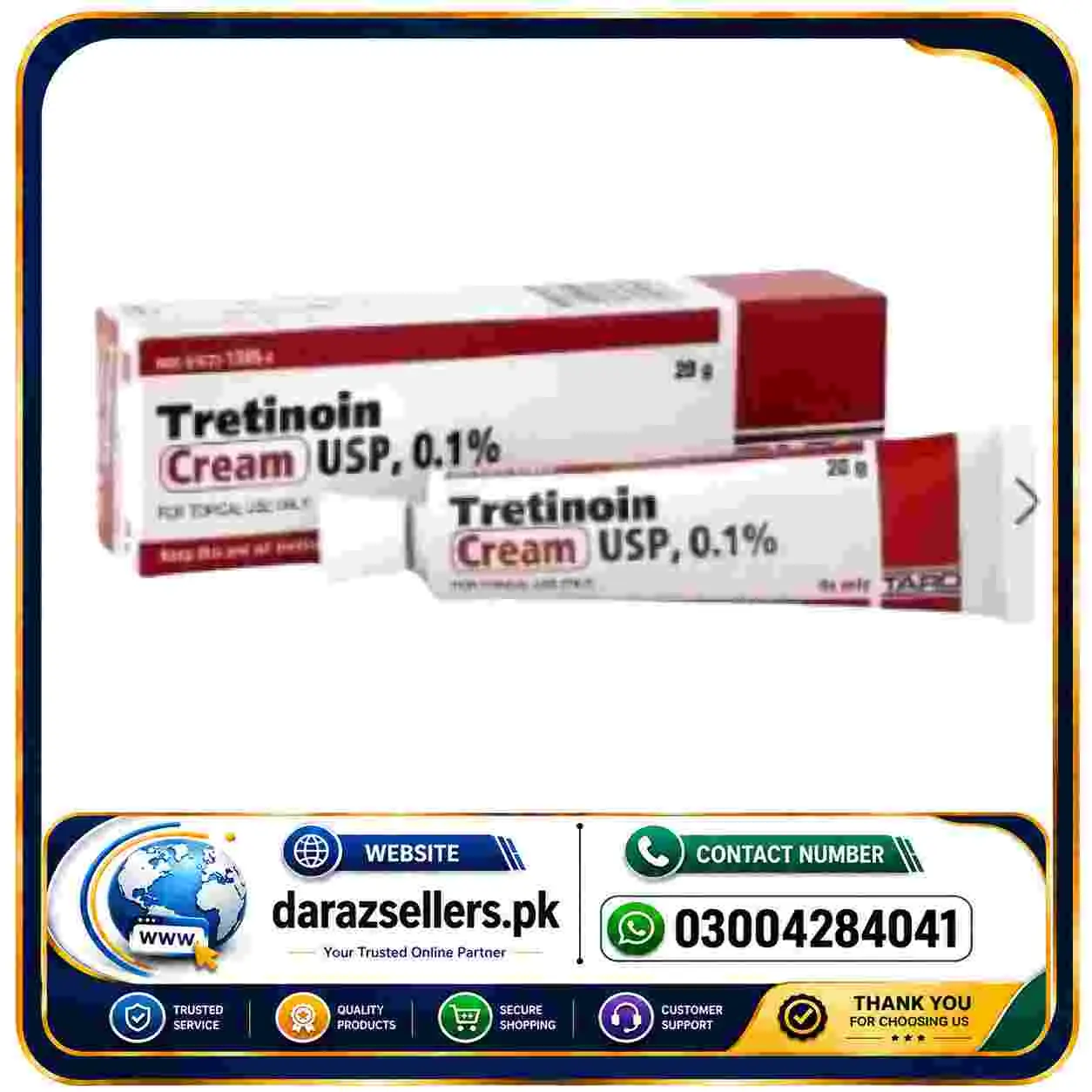
Tretinoin is a topical retinoid derived from vitamin A. It is primarily used as a prescription treatment for acne vulgaris. By increasing skin-cell turnover and helping prevent blockage of pores, tretinoin can reduce the formation of acne lesions and improve skin texture over time.
The 0.1% concentration is a high-strength formulation, so it may cause more irritation than lower concentrations. A dermatologist may recommend starting with a lower strength before progressing to 0.1% depending on skin tolerance.
Tretinoin works by influencing the growth and turnover of skin cells. It helps prevent dead skin cells from accumulating inside hair follicles, which can reduce pore blockage and acne formation.
With continued treatment, tretinoin may also improve overall skin texture and the appearance of some pigmentation and photoaging-related changes. Results are gradual rather than immediate.
Tretinoin may be prescribed for people with:
0.1% should not automatically be considered suitable for first-time users. A dermatologist can determine the appropriate concentration based on your skin condition and tolerance.
Use exactly according to your dermatologist's instructions.
A typical acne regimen involves:
If significant irritation develops, contact your dermatologist. They may recommend reducing application frequency or changing to a lower strength.
Tretinoin 0.1% should be used under medical/dermatological guidance.
Tell your doctor if you:
Do not apply tretinoin to broken, sunburned or severely irritated skin.
Topical tretinoin is generally not recommended during pregnancy. Anyone who is pregnant, planning pregnancy or could become pregnant should discuss its use with a healthcare professional before starting treatment.
Tretinoin can initially cause:
Using more cream will not make results happen faster and can significantly increase irritation.
Avoid combining tretinoin with multiple irritating products unless your dermatologist specifically recommends the combination.
It is primarily a prescription topical treatment for acne vulgaris. It helps normalize skin-cell turnover and reduce pore blockage.
Yes. 0.1% is considered a high-strength concentration and may cause more irritation than 0.025% or 0.05%.
Tretinoin can help improve skin texture and some post-acne discoloration over time, but true depressed or raised acne scars usually require additional dermatological treatments.
Some patients are instructed to use it nightly, but beginners may need a slower introduction. Follow the frequency recommended by your dermatologist.
Acne improvement generally takes several weeks, and fuller results can require several months of consistent treatment.
It is commonly applied at night. Daytime skincare should include appropriate sun protection.
They can sometimes be incorporated into the same skincare routine, but combining multiple active ingredients may increase irritation. A dermatologist can advise on the best routine for your skin.
Combining tretinoin with exfoliating acids can increase dryness and irritation. Do so only if your dermatologist recommends the combination.
Tretinoin is generally avoided during pregnancy. Speak with your doctor before using it if you are pregnant, planning pregnancy or could become pregnant.
Yes. Several tretinoin formulations and brands are available in Pakistan, with prices varying according to manufacturer, strength and pack size.
Usually, a lower concentration may be easier for beginners to tolerate. A dermatologist should determine whether 0.1% is appropriate for your skin.
Yes. Daily broad-spectrum sunscreen is an important part of a tretinoin skincare routine because treated skin can be more sensitive to sunlight.
No. Applying more does not speed up treatment and can cause excessive redness, peeling and irritation.
Keep the tube tightly closed and store it according to the manufacturer's instructions, away from excessive heat and direct sunlight.
Tretinoin Cream 0.1% ko acne-prone skin ke liye use kiya
Cream ki consistency achi hai aur skin-care routine mein easily apply ho jati hai